Avoiding Jet Lag with a Simple Sleep Schedule
Jet lag is a common challenge for travelers who cross multiple time zones. The body’s internal clock, or circadian rhythm, relies on environmental cues to regulate sleep and wakefulness. When a person travels rapidly to a new time zone, this internal clock becomes misaligned with the local day-night cycle. Symptoms such as fatigue, difficulty concentrating, and disrupted sleep can persist until the rhythm adjusts. Rather than simply waiting for the body to adapt, travelers can follow a structured sleep schedule that gradually shifts their internal clock before departure and maintains alignment during the journey.
A simple sleep schedule involves incremental changes to bedtime and wake time, combined with strategic exposure to light and careful meal planning. This approach does not guarantee complete avoidance of jet lag, as individual factors like age, overall health, and travel duration also play a role. However, many travelers find that taking proactive steps helps reduce the severity of symptoms and shortens the adjustment period. The methods described here are based on general principles of circadian science and can be adapted to different itineraries and personal preferences.
Understanding how the circadian rhythm responds to external signals is the first step in building an effective plan. Light exposure, meal times, and rest opportunities all function as cues that can be manipulated to ease the transition. The following sections outline specific strategies that can be integrated into a pre-flight routine, used during the flight itself, and applied upon arrival to support a smoother adaptation.
Understanding the Circadian Rhythm and Jet Lag
The human circadian rhythm is an internal biological clock that operates on a roughly 24-hour cycle. It influences sleep-wake patterns, hormone secretion, body temperature, and metabolism. This rhythm is synchronized with the environment primarily through light signals received by the eyes. When light enters the retina, it suppresses the production of melatonin, a hormone that promotes sleep. In darkness, melatonin levels rise, preparing the body for rest. This natural loop helps maintain a consistent daily cycle.
When a traveler moves east or west across multiple time zones, the external light-dark cycle shifts, but the internal clock remains set to the departure location’s time. The result is a temporary mismatch between the body’s expectations and the actual local schedule. For example, traveling from New York to London shifts the clock forward by five hours, causing the body to feel tired in the afternoon and wide awake in the early hours of the morning. The speed and direction of travel influence how long it takes for the circadian rhythm to readjust. Generally, eastward travel requires more time to adapt than westward travel because it is easier for the body to delay its clock than to advance it.
Various techniques can help speed up this realignment. However, the effectiveness of each method depends on consistent application and the traveler’s individual sensitivity to environmental cues. No single approach works for everyone, but combining multiple strategies often produces the best results. The goal is not to eliminate every symptom but to reduce discomfort and maintain functional sleep patterns during the trip.
Pre-Flight Sleep Adjustment Strategies
One of the most effective ways to prepare for a time zone change is to gradually shift sleep and wake times in the days before departure. For eastbound travel, going to bed and waking up earlier than usual can help the body begin adjusting to an earlier schedule. For westbound travel, delaying bedtime and wake time is more appropriate. The adjustment should be made in small increments of 30 to 60 minutes per day, starting three to four days before the flight. This gradual shift allows the circadian rhythm to move without causing significant sleep deprivation.
In addition to adjusting bedtime, travelers can use morning light exposure to reinforce the new schedule. For eastbound preparation, exposure to bright light soon after waking can help advance the internal clock. Light boxes or natural sunlight serve this purpose. Conversely, for westbound preparation, exposure to bright light in the evening can help delay the clock. The timing of light exposure is critical, as light during certain parts of the day has different effects on the circadian phase. Using a light schedule that complements the desired shift can enhance the effectiveness of the sleep adjustment.
Meal timing also plays a role in pre-flight preparation. The body’s internal clock receives input from feeding times, and shifting meal schedules can support the desired circadian shift. For eastbound travel, eating breakfast slightly earlier each day and having dinner earlier may help. For westbound travel, delaying meals by an hour or so can be beneficial. These adjustments are not required to be strict but can be integrated with the sleep schedule to create a cohesive pre-flight plan. Travelers with flexible routines may find it easier to implement these changes, while those with fixed work schedules might need to adapt the strategy to their available time.
Light Exposure During Travel and Upon Arrival
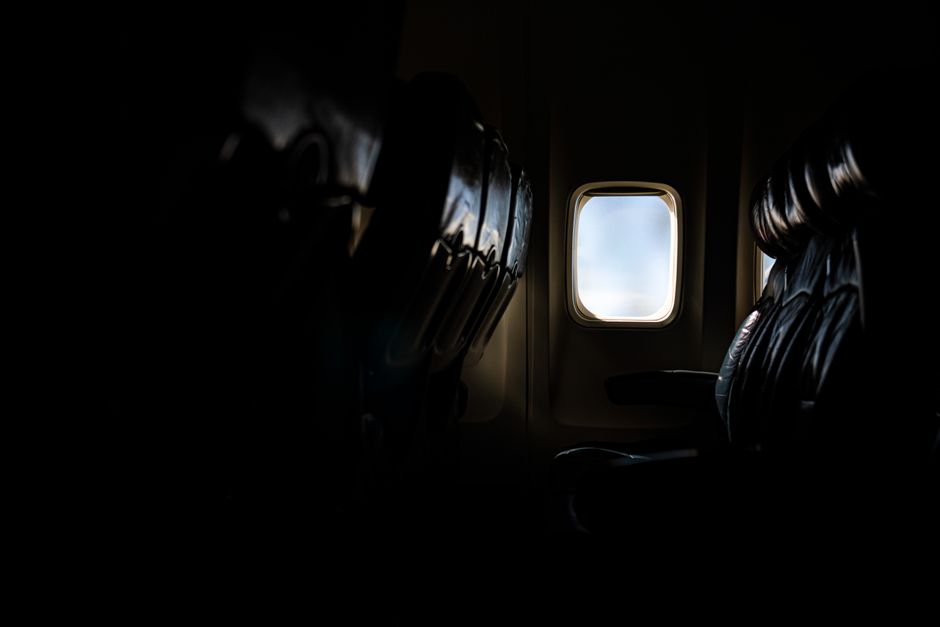
Light is the strongest environmental cue for resetting the circadian rhythm. During a flight, controlling light exposure is limited because the cabin environment provides artificial lighting that may not align with the destination time zone. However, travelers can use eye masks and window shades to manage light. For example, if the goal is to stay awake during the flight to match the destination’s daytime, keeping the window shade open and avoiding an eye mask can help. If the flight coincides with the destination’s nighttime, using an eye mask and dimming personal screens can support rest.
Upon arrival, strategic light exposure becomes even more important. For eastward travel, seeking bright light in the morning hours can help advance the internal clock. Spending time outdoors or near windows during the local morning is a practical way to achieve this. For westward travel, bright light in the late afternoon and early evening can help delay the clock. Avoiding bright light before intended bedtime can also prevent unintended delays in sleep onset. The intensity and duration of light exposure matter; even a short period of bright light can have an effect, but longer exposure often yields stronger results.
It is important to note that light sensitivity varies among individuals. Some people may respond strongly to relatively dim light, while others need higher intensities. Additionally, the timing of light exposure must be coordinated with the individual’s current circadian phase. If a traveler arrives in a new time zone and feels extremely sleepy, exposure to bright light too close to bedtime might make it harder to fall asleep. Therefore, a balanced approach that considers both the desired clock shift and the traveler’s immediate state is recommended. Experimenting with different light patterns on previous trips can help a traveler understand what works best for their body.
Meal Timing and Hydration for Rhythm Support
The timing and content of meals influence the circadian system through metabolic signals. When food is consumed, the body releases insulin and other hormones that interact with the central clock. For travelers aiming to reset their internal schedule, aligning meal times with the destination’s meal schedule can reinforce the desired rhythm. On the day of travel, eating a meal at the departure time that matches the destination’s meal time can start the adjustment. For instance, if a flight departs in the evening local time but arrives in the morning, having a light meal before boarding that resembles breakfast may help.
During the flight, it is common for airlines to serve meals according to the departure time or the airline’s schedule, which may not align with the destination. Travelers can choose to skip or delay meals to match their intended schedule. For example, if the goal is to sleep through part of the flight and wake up near the destination’s morning, eating a light snack before sleeping and then having a proper breakfast upon waking can support this pattern. The body’s internal clock is sensitive to fasting periods as well; extending the overnight fast can help reset the clock in some cases.
Hydration also plays a supportive role. Airplane cabins have low humidity, which can lead to dehydration. Dehydration can worsen feelings of fatigue and discomfort, making jet lag symptoms more pronounced. Drinking water regularly before, during, and after the flight helps maintain normal bodily functions. Avoiding excessive caffeine and alcohol is advisable because both can disrupt sleep quality and dehydrate the body. Moderation in consumption, combined with careful meal timing, creates a foundation for the circadian rhythm to adapt more smoothly. These dietary considerations are part of a broader plan and work best when combined with sleep and light strategies.
Using Power Naps Effectively During Travel
Short naps can be a useful tool for managing fatigue during the travel period without undermining the sleep schedule. A power nap lasting 20 to 30 minutes can restore alertness and improve cognitive performance without causing sleep inertia or interfering with nighttime sleep. Longer naps, especially those lasting more than 60 minutes, can lead to grogginess and may reduce the drive to sleep at the appropriate time. Therefore, when a traveler feels drowsy during the journey or after arrival, a brief nap can provide a temporary boost.
The key to effective power napping is timing. If the nap occurs too close to the intended bedtime, it might make falling asleep more difficult. Ideally, naps should be taken earlier in the day or during the afternoon slump, depending on the destination time. For example, after a red-eye flight that arrives in the morning, a short nap in the early afternoon can help bridge the gap until a reasonable bedtime. Setting an alarm to ensure the nap remains short is a practical way to prevent oversleeping.
Another consideration is the environment. Finding a quiet, dark space can enhance the quality of the nap. Eye masks and earplugs are useful accessories for napping on planes or in airports. Some travelers may prefer to use guided relaxation or breathing exercises to fall asleep quickly. While napping is not a replacement for full restorative sleep, it serves as a temporary measure to manage energy levels during the transition. When used cautiously and in combination with the sleep schedule, power napping can support the overall goal of reducing jet lag discomfort.